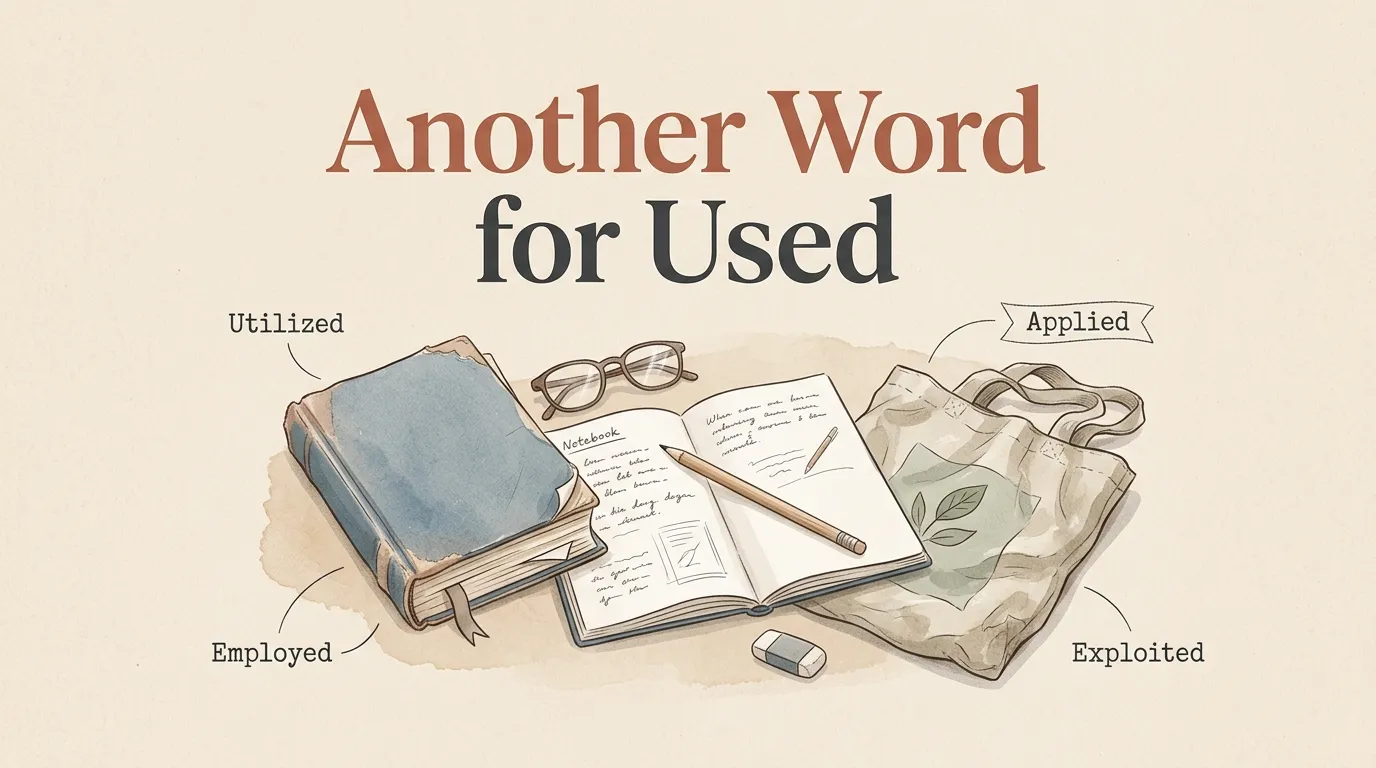
Another word for used depends on the context. Common alternatives include:
| Alternative | Best Use |
| Utilized | Used for a purpose |
| Employed | Used a method or tool |
| Applied | Put something into action |
| Operated | Used or controlled a machine |
| Consumed | Used up food or supplies |
| Spent | Used time, money, or energy |
| Worn | Used before or showing wear |
| Secondhand | Owned or used by someone before |
| Pre-owned | Previously owned, often for products |
| Exploited | Used unfairly for personal gain |
Used is a common English word with several meanings. It can describe something that has served a purpose, an item that is not new, or a person who has become familiar with a situation.
For example, you may buy a used phone, use a tool to fix a chair, or say you are used to waking up early. The word appears in daily conversations, schoolwork, business writing, and online content. However, repeating the same word can make writing less clear and engaging.
Meaning of Used
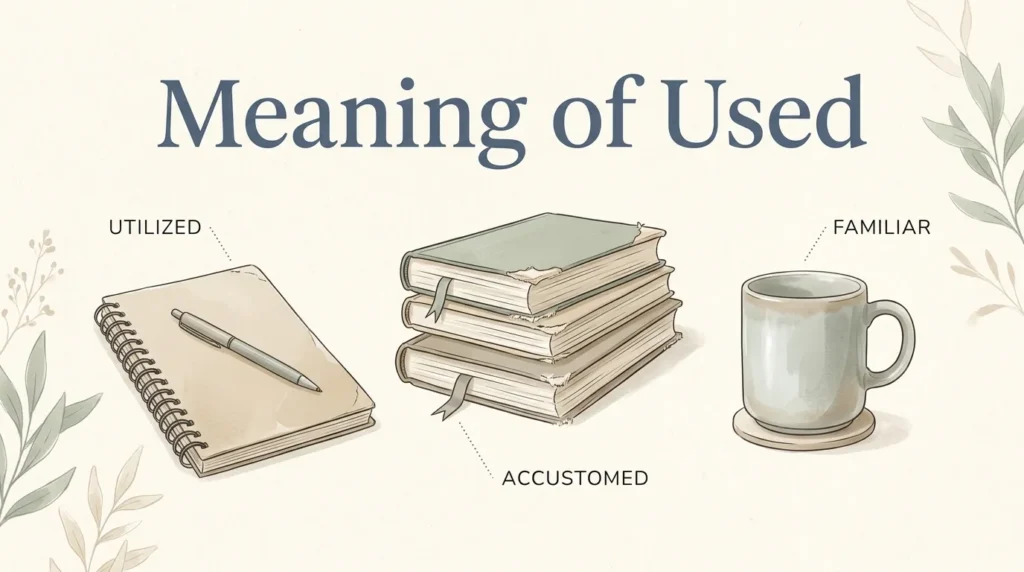
Definition
Used (verb or adjective):
As a verb, used is the past tense and past participle of use. It means that someone did something with an object, method, or resource for a purpose.
As an adjective, used often means that something is not new because someone owned or used it before. In the phrase used to, it can also describe something that was true or happened regularly in the past.
Examples
- She used a ruler to draw a straight line.
- I bought a used bicycle from my neighbor.
- He is used to working in a busy office.
Connotative Meaning
Connotation (the feeling or idea a word suggests beyond its basic meaning) depends on how used appears in a sentence.
- Positive tone: A used item may be affordable, practical, or well cared for.
- Negative tone: A person may feel exploited if someone uses them unfairly.
- Neutral tone: Used can simply describe an action or an item that is not new.
Etymology of Used

The word used comes from the verb use, which entered English through Old French and ultimately traces back to the Latin verb uti, meaning “to use” or “to employ.”
- Old English (450 to 1100): The modern verb use was not a common native Old English word in its present form. English had other words for using or making use of something.
- Middle English (1100 to 1500): The word entered English through Anglo-French and Old French forms related to user. Its use became established in English.
- Modern English (1500 to present): Use developed into a common verb and noun. Used became its regular past-tense and past-participle form, and it also became an adjective for previously owned or worn items.
Pronunciation (IPA)
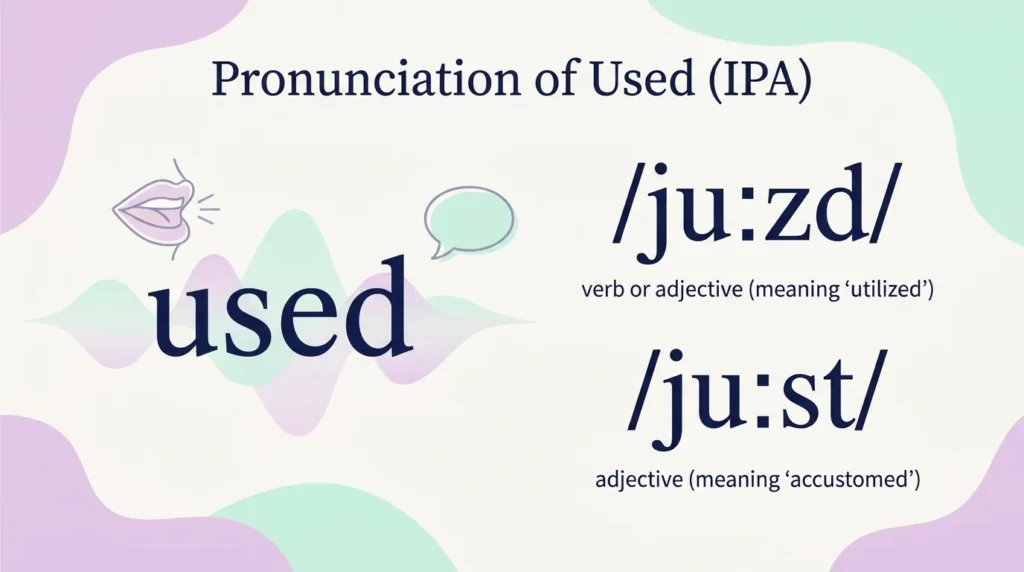
- IPA: /juːzd/
- Syllables: One syllable
- Stress: The whole word forms one syllable.
Note that used in “I used a pen” usually sounds like /juːzd/. In “I used to play,” the phrase used to is often pronounced /ˈjuːstə/ in natural speech.
Affixation Pattern of Used
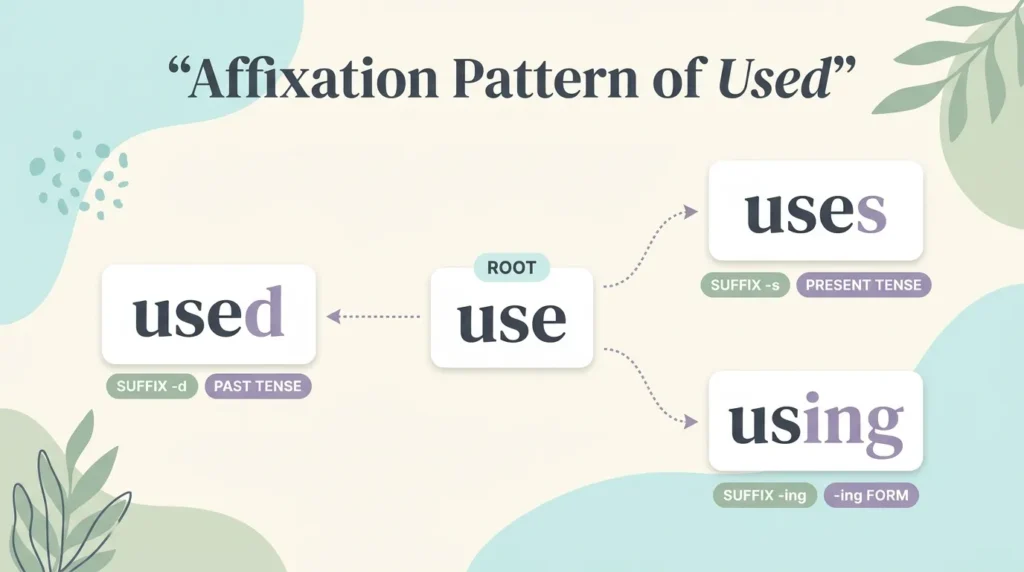
- Root: Use
- Prefix: None in used
- Suffix: -ed, marking the past tense or past participle
- Word formations:
- Use (verb or noun): To employ something or the act of employing it.
- Uses (verb or plural noun): Employs something or more than one purpose.
- Used (verb or adjective): Employed before or previously owned.
- Using (verb): Employing something at the present time.
- Useful (adjective): Helpful or practical.
- Useless (adjective): Not helpful or effective.
- User (noun): A person who uses something.
- Usage (noun): The way something is used.
- Reusable (adjective): Able to be used again.
- Misuse (verb or noun): To use something in the wrong way.
- Overuse (verb or noun): To use something too much.
- Underuse (verb or noun): To use something less than is appropriate.
25 Other Words for Used With Meaning and Examples
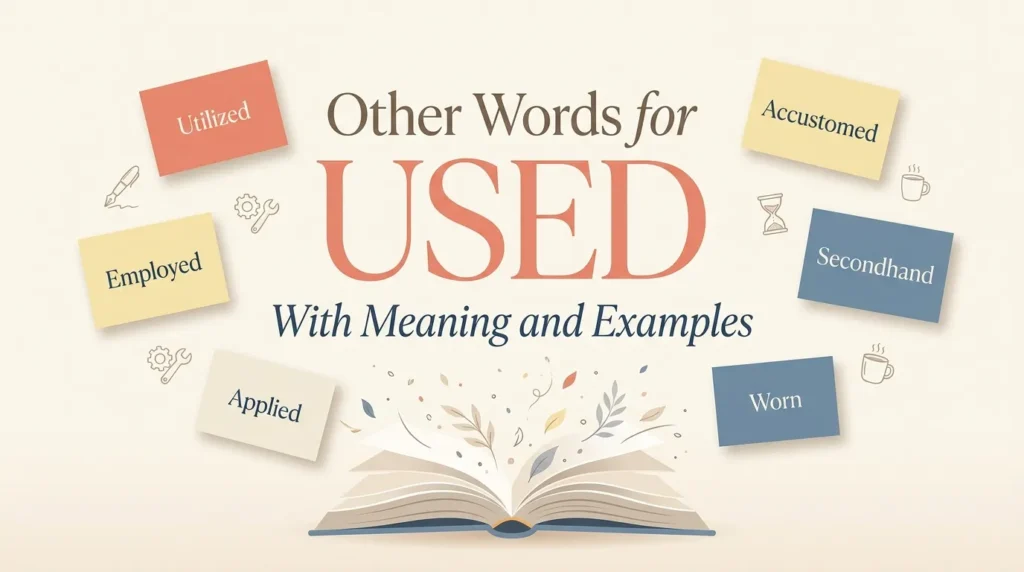
The best alternative depends on the meaning of used. Some words describe an action, while others describe a previously owned item or an unfair act.
1. Utilized (Verb)
Meaning: Used something for a particular purpose, often in a formal context.
Examples:
- The school utilized tablets in its lessons.
- We utilized the available space for storage.
2. Employed (Verb)
Meaning: Used a tool, method, or skill to achieve a goal.
Examples:
- The team employed a new strategy.
- She employed a simple method to solve the problem.
3. Applied (Verb)
Meaning: Put a method, rule, or skill into practice.
Examples:
- He applied his knowledge to the project.
- The teacher applied a fair rule to every student.
4. Operated (Verb)
Meaning: Used or controlled a machine, system, or device.
Examples:
- She operated the machine with care.
- The technician operated the control panel.
5. Consumed (Verb)
Meaning: Used up food, fuel, energy, or another resource.
Examples:
- The old heater consumed too much fuel.
- The project consumed most of our time.
6. Spent (Verb)
Meaning: Used money, time, or energy for something.
Examples:
- He spent his savings on a laptop.
- We spent two hours preparing the report.
7. Worn (Adjective)
Meaning: Used before, often with signs of age or damage.
Examples:
- She wore a pair of worn shoes.
- The old chair had worn fabric.
8. Secondhand (Adjective)
Meaning: Previously owned or used by another person.
Examples:
- I bought a secondhand desk.
- They donated secondhand books to the school.
9. Pre-owned (Adjective)
Meaning: Owned by someone before being sold again.
Examples:
- He purchased a pre-owned car.
- The shop sells pre-owned computers.
10. Exploited (Verb)
Meaning: Used a person or resource unfairly for personal gain.
Examples:
- The company exploited its workers.
- The scammer exploited people’s trust.
11. Abused (Verb)
Meaning: Used something or someone in a harmful or improper way.
Examples:
- He abused his position of power.
- The player abused the rules to gain an advantage.
12. Manipulated (Verb)
Meaning: Used or controlled something, or influenced someone unfairly.
Examples:
- She manipulated the figures to support her claim.
- He manipulated the situation for his own benefit.
13. Deployed (Verb)
Meaning: Put a tool, resource, or system into use.
Examples:
- The team deployed new software.
- The organization deployed extra staff during the event.
14. Implemented (Verb)
Meaning: Put a plan, policy, or idea into action.
Examples:
- The school implemented a new safety policy.
- We implemented the changes last week.
15. Adopted (Verb)
Meaning: Started using a method, idea, or practice.
Examples:
- The business adopted a new payment system.
- She adopted a healthier daily routine.
16. Exercised (Verb)
Meaning: Used a right, power, or ability.
Examples:
- He exercised his right to vote.
- The manager exercised good judgment.
17. Harnessed (Verb)
Meaning: Used a natural force, skill, or resource effectively.
Examples:
- The village harnessed solar energy.
- She harnessed her creativity to design the poster.
18. Tapped (Verb)
Meaning: Made use of a source of help, knowledge, or resources.
Examples:
- The team tapped local talent for the project.
- We tapped into online resources for research.
19. Exhausted (Verb or Adjective)
Meaning: Used up a supply or left very little remaining.
Examples:
- The long trip exhausted our fuel supply.
- The team had exhausted all available options.
20. Depleted (Verb or Adjective)
Meaning: Reduced a resource by using much of it.
Examples:
- The drought depleted the water supply.
- Years of mining depleted the area’s mineral reserves.
21. Worn-Out (Adjective)
Meaning: So old or heavily used that something no longer works or looks good.
Examples:
- We replaced the worn-out tires.
- He threw away his worn-out backpack.
22. Familiar With (Adjective Phrase)
Meaning: Knowing something well because of experience or repeated contact.
Examples:
- She is familiar with this software.
- I am familiar with the school rules.
23. Accustomed To (Adjective Phrase)
Meaning: Comfortable with something because it happens often.
Examples:
- He is accustomed to cold weather.
- They are accustomed to working as a team.
24. Practiced (Adjective)
Meaning: Skilled because of repeated experience or training.
Examples:
- She is a practiced public speaker.
- The practiced driver handled the difficult road well.
25. Put to Use (Verb Phrase)
Meaning: Made something useful by using it for a purpose.
Examples:
- We put the empty room to use as an office.
- She put her language skills to use during the trip.
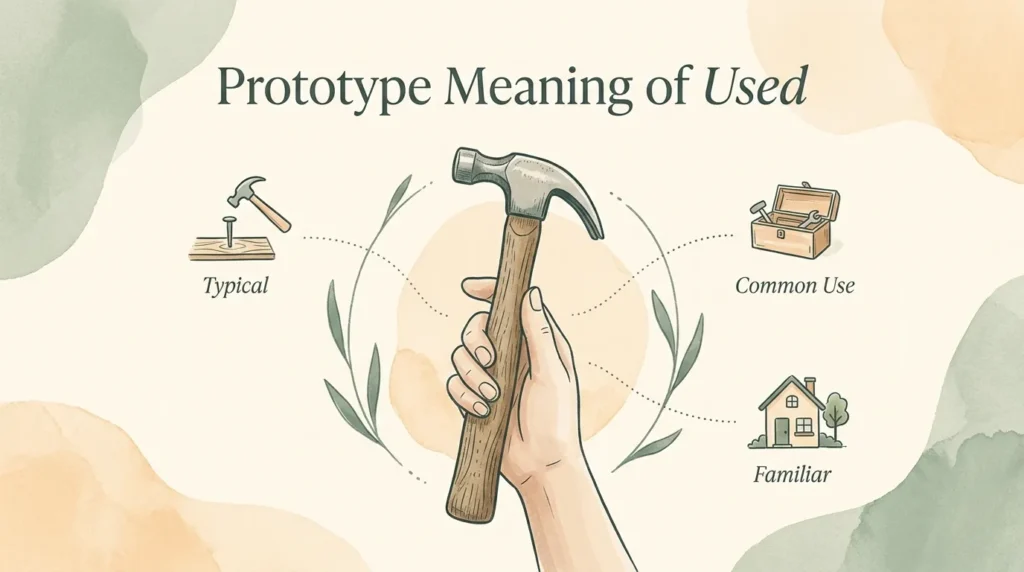
The most typical meaning of used is that a person has done something with an object, tool, or resource to achieve a purpose. For example, someone used a key to open a door or used a phone to make a call. When used describes an item, it often means that the item is not new and has belonged to someone before. These meanings are related, but they are not interchangeable in every sentence. A writer should choose an alternative based on whether the sentence describes an action, a product, a resource, or a person’s experience.
Prototype Categorization
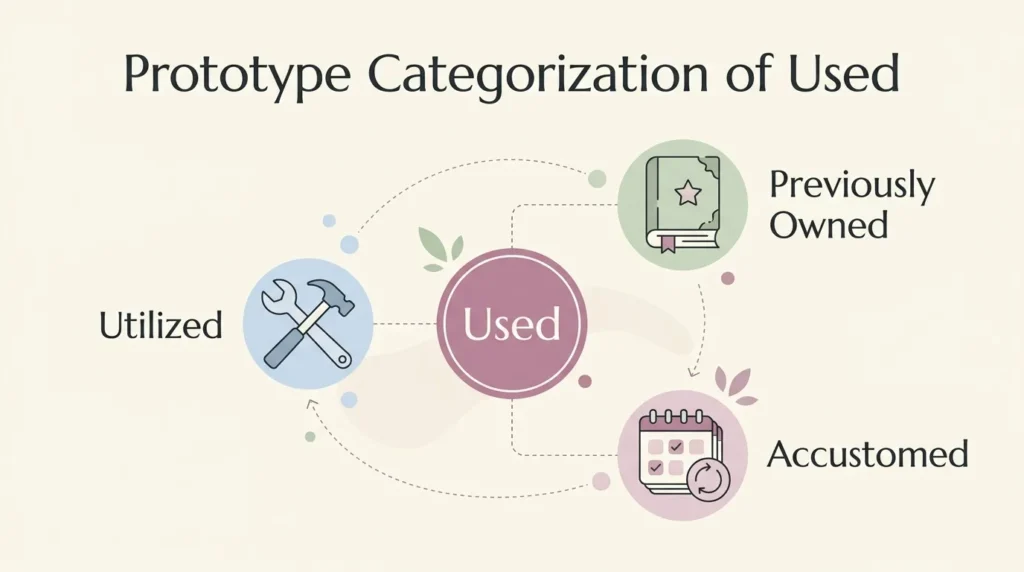
Grouping alternatives by meaning helps writers choose words that fit their intended message.
- General use: Utilized, employed, applied, put to use. These words describe using something to complete a task.
- Tools and systems: Operated, deployed, implemented. These alternatives fit machines, software, plans, or systems.
- Resources and consumption: Consumed, spent, exhausted, depleted. These words describe resources that have been used or reduced.
- Previously owned items: Secondhand, pre-owned, worn, worn-out. These describe items that have been owned or used before. Worn-out also suggests damage or poor condition.
- Unfair or harmful use: Exploited, abused, manipulated. These words suggest misuse or unfair treatment.
- Experience and habit: Familiar with, accustomed to, practiced. These expressions describe knowledge, comfort, or skill gained over time.
- Using rights or potential: Exercised, harnessed, tapped, adopted. These words fit rights, energy, skills, ideas, and available resources.
Antonyms of Used
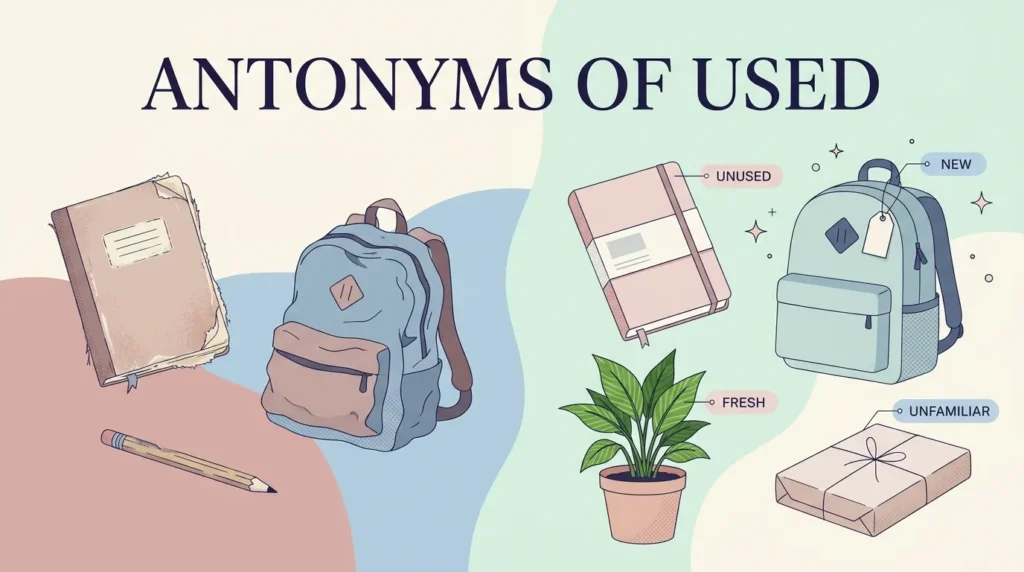
There is no single opposite of used for every meaning. The best antonym depends on the context.
1. New (Adjective)
Meaning: Not previously owned or used.
Example: She bought a new laptop.
2. Unused (Adjective)
Meaning: Not yet used.
Example: The unused room was clean and empty.
3. Fresh (Adjective)
Meaning: New, recent, or not worn out, depending on the context.
Example: He put on a fresh shirt.
4. Untouched (Adjective)
Meaning: Not handled, changed, or used.
Example: The supplies remained untouched.
5. Wasted (Adjective)
Meaning: Used poorly or without a good result. This contrasts with used effectively in some contexts.
Example: The wasted materials could have been recycled.
6. Neglected (Adjective or Verb)
Meaning: Not given the care or attention needed.
Example: The neglected equipment needed repair.
Short Questions and Answers
What does used mean?
Used can mean employed for a purpose, previously owned, or familiar with something when it appears in the phrase used to or be used to.
When should used be used?
Use used to describe a past action, a previously owned item, or a state of familiarity. Choose the sentence structure that matches your intended meaning.
Is used positive or negative?
It can be neutral, positive, or negative. A used car may be affordable, while a person who feels used may have been treated unfairly.
How is used different from similar words?
Utilized often sounds more formal than used. Secondhand describes a previously owned item. Exploited suggests unfair use, while consumed means that a resource has been used up.
Conclusion
Learning another word for used can make your English more precise and natural. Words such as utilized, employed, and applied can improve formal writing. Terms such as secondhand and pre-owned help describe products, while consumed, spent, and depleted explain how resources are used.
Words such as exploited and abused can express unfair treatment. The right choice depends on the meaning, tone, and situation. To build your vocabulary, practice using a new word in your own sentence each day.
Another Word for Effective: 30 Powerful Alternatives

I’m Mubashra Waleed, a content writer specializing in English vocabulary, synonyms, word meanings. I focus on creating clear, accurate, and engaging content that makes English language learning simple and useful for readers.